
Healthy hair starts with consistency. While many products promise instant results, long-term improvement usually comes from small daily habits that protect the hair over time. Building healthy hair care habits can improve texture, reduce breakage, and make styling much easier every day.
One of the biggest mistakes people make is focusing only on appearance instead of overall hair health. Strong, healthy hair naturally looks shinier, smoother, and easier to manage. When the hair is nourished properly, accessories like clips, barrettes, and claw clips also sit better and create a cleaner final look.
1. Wash your hair based on your hair type
One of the most important healthy hair care habits is understanding how often your hair actually needs washing. Washing too often can remove natural oils and leave the hair dry, while not washing enough can create buildup on the scalp.
Fine hair may need cleansing more often because oil becomes visible faster, while thicker or curlier hair types usually benefit from less frequent washing. Finding the right balance helps maintain healthier texture and shine.
2. Always use conditioner
Conditioner helps restore moisture after cleansing and protects the hair from dryness. Hydrated hair tends to feel softer, smoother, and more manageable throughout the day.
Applying conditioner mainly through the mid-lengths and ends usually works best because those areas are more prone to dryness and breakage. Leaving conditioner on for a few extra minutes can also improve softness and shine over time.
3. Reduce excessive heat styling
Frequent heat styling can weaken the hair and cause split ends, dullness, and dryness. One of the best healthy hair care habits is limiting unnecessary heat whenever possible.
If you use curling irons, straighteners, or blow dryers regularly, applying a heat protectant beforehand is extremely important. Heat protectants help reduce damage while preserving moisture and elasticity in the hair.
Lower heat settings are also often more effective than people realize. Extremely high temperatures are usually unnecessary for everyday styling.
4. Be gentle when brushing
Hair becomes more fragile when wet, which means aggressive brushing can lead to breakage. Using a softer brush or wide-tooth comb can help reduce tension while detangling.
Starting from the ends and slowly working upward is usually the safest method because it prevents unnecessary pulling. Gentle brushing also helps preserve smoother texture and reduces frizz over time.
5. Protect your hair while sleeping
Nighttime habits can affect hair more than many people realize. Cotton pillowcases create friction, which may contribute to dryness and tangling. Satin or silk pillowcases are softer on the hair and can help preserve smoother texture overnight.
Loose braids or low buns are also useful protective styles for sleeping because they reduce friction and tangling without placing too much tension on the scalp.
6. Keep your scalp healthy
Healthy hair begins with a healthy scalp. Product buildup, excess oil, and dryness can all affect hair texture and growth over time. Regular cleansing and gentle scalp care help create a healthier environment for stronger hair.
Massaging the scalp while shampooing can also improve circulation and help distribute natural oils more evenly.
7. Trim your hair regularly
Regular trims help prevent split ends from traveling upward through the hair shaft. Even small trims every few months can help hair appear fuller and healthier overall.
Healthy ends also make hairstyles look cleaner and more polished, especially when wearing clips or sleek styles.
8. Use accessories that protect your hair
The accessories you wear daily matter. Tight elastics and heavy accessories can create stress on the hair over time. Lightweight clips and softer accessories tend to be gentler while still keeping hairstyles secure.
Comfortable accessories designed for everyday wear often help reduce pulling and tension, especially when styling hair frequently.
Final thoughts
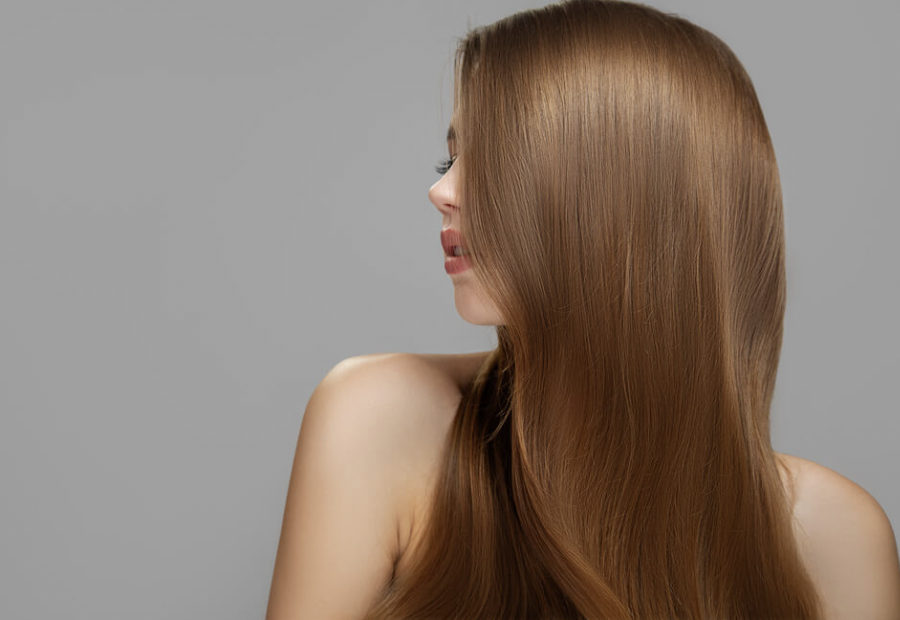
Healthy hair care habits do not need to be complicated. In most cases, the biggest improvements come from consistency rather than expensive products or complicated routines.
Simple habits like using conditioner, reducing heat, brushing gently, protecting the scalp, and choosing softer accessories can improve hair health over time. The healthier the hair becomes, the easier it is to style naturally and maintain a polished everyday look.